


22 Jan 2026
Feel free get in touch with us via email or social media.
© UEA. All rights reserved. University of East Anglia, Norwich Research Park, Norwich, Norfolk, NR4 7TJ, UK
Patients’ Perspectives on Instant Test Results via Patient Portals - Are They a Comfort or a Concern?

Many of us have experienced the worry that comes with waiting for medical test results. Those days (or often weeks) of uncertainty can be incredibly stressful. Our research team wanted to understand whether giving patients quicker access to their tests results through an online hospital portal could help to reduce this “waiting anxiety” and give patients more power over their healthcare.
In this blog, we will share what we learnt from our research, why it matters for people in our region, and how patient portals could be strengthened to shape the future of digital healthcare.
Why we started this project
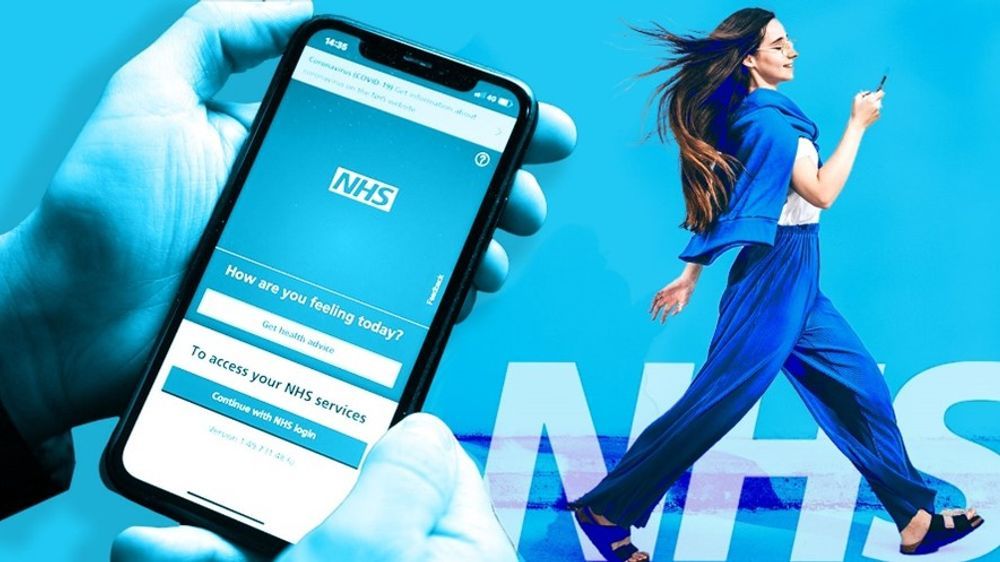
Like many organisations, the NHS is moving quickly towards the use of digital services (1). Many hospitals in the UK now use “patient portals”, which are secure online systems where people can easily and quickly see their medical records and test results (2-4).
These portals can shorten the long, anxiety-filled wait for results. However, with this quicker access to test results also comes concerns (5); clinicians worry that certain test results (such as those for tumour markers) being sent directly to patients before they have been reviewed by a clinician might result in patient misinterpretation or unnecessary anxiety, especially when those results are unclear or abnormal (6).
Patients at West Suffolk Hospital have had access to a patient portal since February 2018. We wanted to understand how people in Suffolk feel about these patient portals, what is working well, and what could be improved for future users.
Why this project matters to the region
Our region faces particular challenges: digital access varies across Suffolk, and many people still struggle with online systems or lack confidence using them.
At the same time, local services are under pressure, and delayed communication often leads to extra phone calls, clinic visits, and stress for both staff and patients. This research aimed to help shine a light on these issues.
By understanding how patients experience patient portals, we can design digital systems that truly support people rather than adding to their worry.
Collaboration: How we worked together
This project was achieved through collaboration with both patients and a steering group comprised of senior clinicians, management, governance, communications, and patient engagement specialists.
Working closely with these groups meant the research was grounded in the real challenges that staff and patients face every day. Their insights helped us to design questions that were practical, relevant, and sensitive, ensuring the project captured the voices and needs of local patient populations.

Who was involved in the project
To understand how the patient portal is received by the local population, we invited adults using the West Suffolk Hospital online patient portal to share their views via surveys and interviews.
- 357 people completed our survey.
- 22 people attended one-to-one interviews and talked openly about their experiences, frustrations, and ideas for improvement.
What we found
Waiting anxiety is real - and immediate access can help
Around 80% of participants surveyed reported checking the patient portal when waiting for test results. More than half of participants reported that getting results quickly, via the portal, reduced their worry.
In fact, about 70% said early access made them less worried or much less worried, and 94% wanted to see results before being contacted by a clinician.
All the participants interviewed mentioned anxiety caused by the wait between having tests done and getting results.
In the time between the tests and waiting for results people may be more likely to try to find answers themselves online, compounding this anxiety further.
Participants also noted that getting their results early gave them more time to process the results and better prepare questions to ask during their consultation.
People want ownership of their information
It became apparent over this project that people want to feel more in control of their health journey. 96% of patients surveyed said that in the future they want to be notified of test results via the patient portal. Patients viewed access to their test results as a matter of principle - they stated that as these results were their data, they had a right to access them as soon as they were available.
However, early access to results can come with downsides. Access to results too early, before being able to speak to a clinician, especially following upsetting or unclear test results, can increase the anxiety people feel. 30% of patients surveyed noted that they did not know how to interpret their results and were unsure of where to go for guidance.
How test results could and should be shared
Despite the generally positive view of patient portals and earlier access to results, it became apparent during this project that more needs to be done to improve how test results are shared. Participants noted several ways in which patient portals could be improved:
- Offer choice: not everyone wants results immediately; an opt-in model could give patients control.
- Be clear about timelines: people want to know when to expect their results and explanations for any delay.
- Provide context: simple explanations and links to NHS resources to help patients interpret their results can reduce confusion.
- Build in notifications: patients shouldn’t have to keep checking to see when their results are available.
- Support digital inclusion: easy-to-use systems and help for those less confident online is needed to promote digital inclusion.
Impact on policy and practice
Our findings are already informing conversations about digital health policy within West Suffolk NHS Foundation Trust and across partner organisations. Our research provided several suggestions of how to improve patient portals, listed above.
These suggestions are in line with national NHS ambitions for safe and patient-centred digital transformation. We will continue to work with policymakers to ensure clear communication with patients regarding testing procedures and develop projected timescales to enable meaningful patient involvement in their healthcare.
What's next for the project?
To take this project further, moving forward we will:
- Better engage participants from underrepresented groups to ensure that their views are included in practice guidelines.
- Understand how digital access affects staff workload.
- Work even more closely with patient groups to co-design improvements.
To our knowledge, this is the first UK-based study of patients’ views regarding the timing of medical test result release via an online patient portal. The findings from this study contribute to a growing body of research highlighting the need for careful consideration of patient needs and preferences when sharing the results of medical tests via online patient portals.
By listening to local patients and working closely with clinicians, we can design digital tools that truly support the health and wellbeing of our communities. If we can get this right, digital access to test results has the power to reduce stress, support patients’ health self-management, and make healthcare feel more transparent and responsive.
About the author
Dr Astrid Coxon conducted the research and Dr Ella Malloy has supported dissemination, including the authorship of this blog.
Both are Senior Research Associates working with Dr Zarnie Khadjesari in the School of Health Sciences, within the Behavioural and Implementation Science theme of the Public Health Research Department at the University of East Anglia.
Our group leads research that aims to support the uptake of digital health technologies to prevent ill-health. Dr Zarnie Khadjesari designed this study with Dr Helena Jopling and Dr Adulis Beyenne from the Public Health team at West Suffolk Hospital.
The study was funded by UEA Health and Social Care Partners.
References
1. NHS Long Term Plan. NHS Long Term Plan. January 2019. Accessed May 22, 2024. https://www.longtermplan.nhs.uk/
2.Alturkistani A, Beaney T, Greenfield G, Costelloe CE. Patient portal registration and healthcare utilisation in general practices in England: a longitudinal cohort study. BJGP Open. 2023:BJGPO.2023.0106. doi:10.3399/BJGPO.2023.0106
3.KC S, Tewolde S, Laverty AA, et al. Uptake and adoption of the NHS App in England: an observational study. Br J Gen Pract. 2023;73(737):e932-e940. doi:10.3399/BJGP.2022.0150
4.NHS Digital. Personal Health Records adoption toolkit. NHS England Digital. 2022. Accessed May 20, 2024. https://digital.nhs.uk/services/personal-health-records-adoption-service/personal-health-records-adoption-toolkit
5. Khadjesari Z, Houghton J, Brown TJ, Jopling H, Stevenson F, Lynch J. Contextual Factors That Impact the Implementation of Patient Portals with a Focus on Older People in Acute Care Hospitals: Scoping Review. JMIR Aging. 2023;6:e31812. doi:10.2196/31812
6. Bruno B, Steele S, Carbone J, Schneider K, Posk L, Rose SL. Informed or anxious: patient preferences for release of test results of increasing sensitivity on electronic patient portals. Health Technol. 2022;12(1):59-67. doi:10.1007/s12553-021-00628-5
The ACCESS TO RESULTS project was awarded funding via UEA Health and Social Care Partners’ in 2023 through the Research Capacity Building Programme Funding Call to:
- Explore acceptability of immediate access to test results via the patient portal in a cross-sectional survey
- Explore the barriers and enablers to immediate access to test results in qualitative interviews
- Design an implementation strategy to support roll-out of immediate access to test results
Related News & Events
No results, please try changing the filters
Stay up to date
Subscribe to our newsletter to receive news on the latest updates and projects in health and social care research.